

So you're ready to open a new restaurant? Or maybe it's a restaurant lounge, bar or club? You got some money in the bank, some willing investors, and a brilliant vision of a hospitality valhalla that you can't wait to bring down from the heavens and shine gloriously on Earth. The most important decision you'll ever make is in which space to build your dream concept, and from which space to run. So I've summed up the most important factors in evaluating and deciding if the venue you are looking at to build out and operate is the one for you to flourish in, or find yourself digging deeper in the hole.
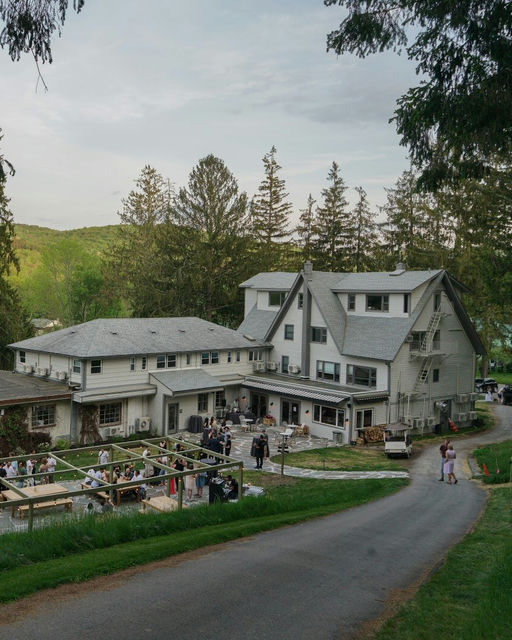
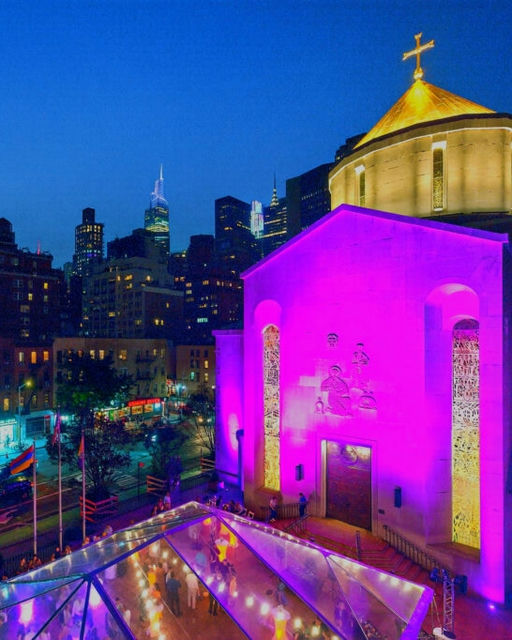
Location, location, location. This is the first and most important element in deciding whether to open, and should be directly tuned to your concept. If you are opening a high end restaurant, does the neighborhood conform to that offering? Do people have money to spend, or is it a destination? Are there other successful restaurants in the vicinity? If it's a nightclub, will the neighbors complain enough to shut it down after a while? Here are the main factors in determining if the location will bear fruit:
Do people travel to or from this neighborhood? For example in Los Angeles, people will go from the beach areas to Hollywood to party at nightclubs, but not the other way around. Or in Manhattan, everyone goes downtown, but rarely up. So will they come to you?
If you are a standalone bar, club, or restaurant, and are not a known franchise, and have no following, can you attach yourself to a hotel where you will be guaranteed a base weekly clientele? Operating by your lonely self is much harder than being conjoined with a hotel which will feed you constantly with patrons.
Will the neighborhood welcome your concept? If you notice restaurants replacing clubs (West Hollywood), or clubs replacing other kinds of operations (Meatpacking in NY circa 2000's), it will be painful to go against the tide, not only perceptually, but when you declare your plans to open, agents of the city will make your life difficult.
Does your vibe fit the area? If your neighborhood has lots of commercial space, up & coming residential areas like Harrison, NJ, a booming alcove connected to Manhattan by a 20 min path train, with huge residential developments over 10,000 units, and few social outlets, opening a bar geared for locals is a good bet, and your happy hours will actually be happy. However if you find that the neighbors and residents hate sports bars for example, because patrons drink daytime and come out sloppy after NFL Sundays, then re-consider. What's the best way to find this out, go to a local community meeting and listen to the feedback. Often when applying for liquor licenses, there are public forums and while some are procedural, while others feel like being in front of a communist tribunal. Find out if you're going to get a magic wand or firing squad.
Who are your immediate neighbors? Who is directly, left, right, above and below you? These are the people who will impact you most. Will they oblige your operation, and maybe even patronize you? Or will they call the cops everytime you hire a DJ and turn you into an anxiety ridden geezer constantly telling the DJ to keep it up under 85 decibels while secretly turning down the bass.
Rent. The standard for calculating the rent vs revenue ratio is 10%, meaning your rent should not exceed 10% of your expected gross revenue. So the best way to break down the viability of a space is to run a simple calculation: if my rent is $20k/month, then it's roughly $5k/week and that means I should generate $50k/week in revenue. Weekends are double weekdays, so let's say $30k on weekdays, and $20k on weekends. Is that viable? Do you have enough covers, or bar business or table clients to generate this revenue? It's possible to run a tight ship where your rent represents 15 or even 20% of your operational cost, but in the end, don't you want to be truly profitable, and not scraping by on a 5% net, just waiting for your next slow season or a lawsuit to put you out of business?
Landlord. Now this one is a doozy. Some landlords will want to be hands off, some will want to validate the concept of your venue, some will co-invest with you, some will be greedy, some will be sticklers, some will want to be co-owners, and some will be corporate. The best way to figure out if the landlord is amicable, is simply to speak to the tenants who operated prior, if there was a prior tenant. They will give you the lowdown scoop, because landlords can be quirky, and in a way you're working for them. You sign that lease, give the good guy or personal guarantee, and then it's like Mob rules. Bad month, FU pay me. Covid, FU pay me. Lawsuit, FU pay me. Doing spectacularly well, FU I'm going to raise your rent!
Soundproofing. This is simple and often overlooked. Does the sound penetrate any other business? You need to check every single adjacent venue. You might be a strip-mall sushi spot, but you plan to be popular and have the TV's playing sports games, which are noisy enough to interrupt the spa next door. What are the walls made of? Are they insulated? Does the sound travel or will you have to soundproof everything? Remember sound travels through bricks, ceilings and floors are often thin and not insulated. You might have to drop a ceiling, cover a wall, or add bass-traps in the corners. Double check!
Bad Juju. Ever been to a grand opening and it's spectacular in every way, then the hot new spot closes before it gains traction? And then some other poor soul opens a new concept in the same location, and somehow it fails again. And this happens over, and over in that particular location. Some venues just have an overcast that always leads to failure, and like the spiritual world, it can't be explained rationally, as if the space is cursed. I am not one to believe in any superstition, but unless you're ready to transform a space so deeply that the city vibe forgets about the previous failed incarnations of concepts there, then best believe that what happened to your predecessors, will happen to you. If a club opens and closes every two years, chances are you won't be the one who breaks that cycle. There's probably something more that's going on and you won't recognize it until you're in full swing operation.
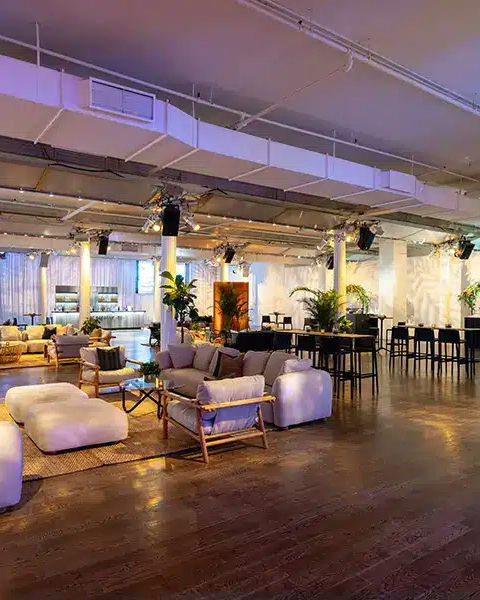
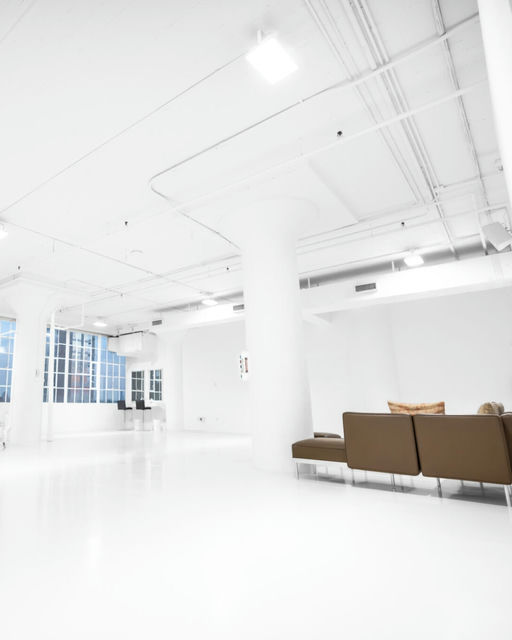
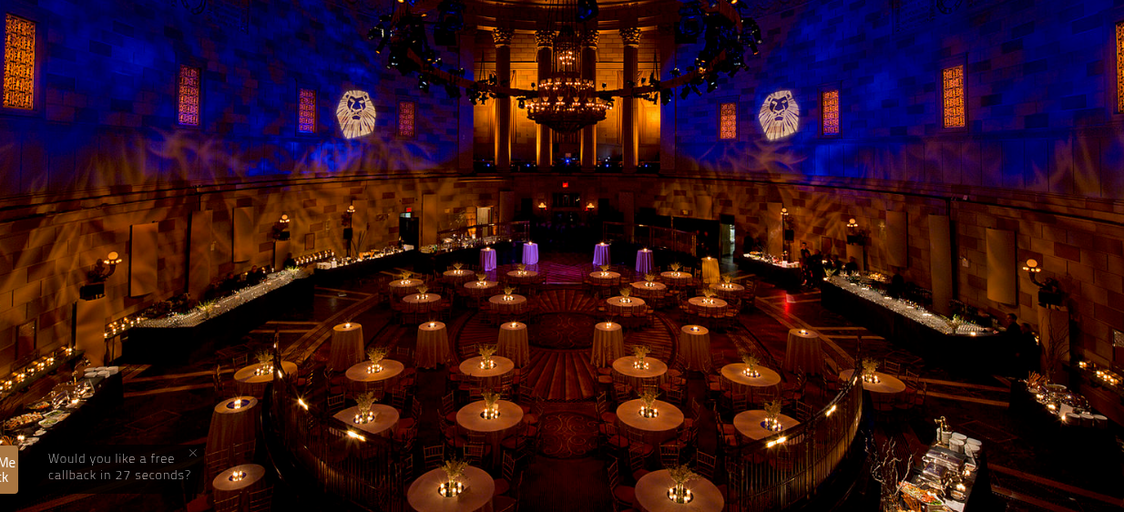
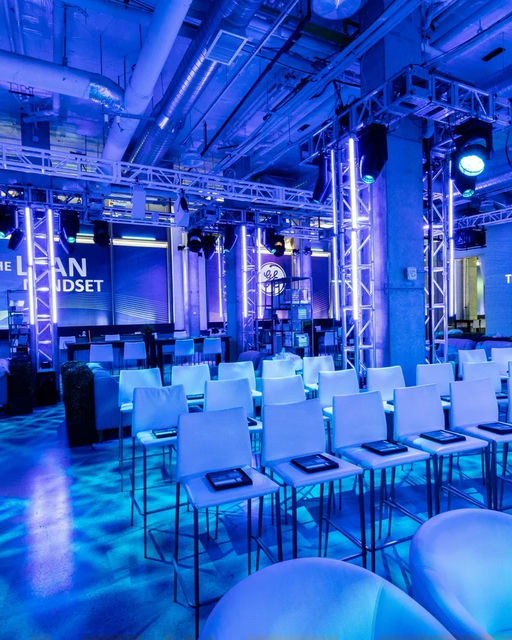
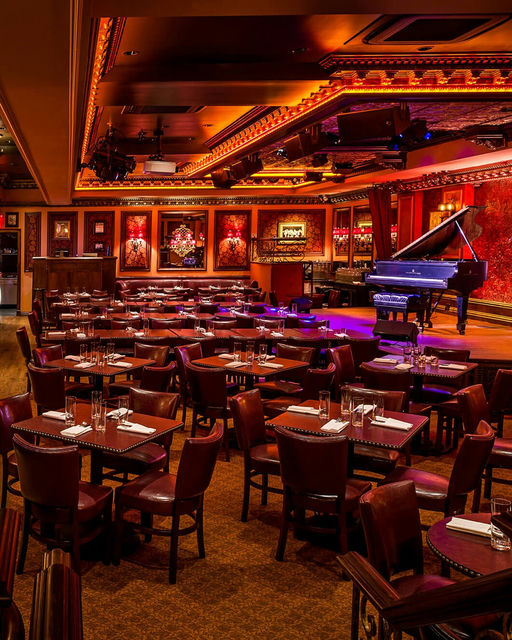
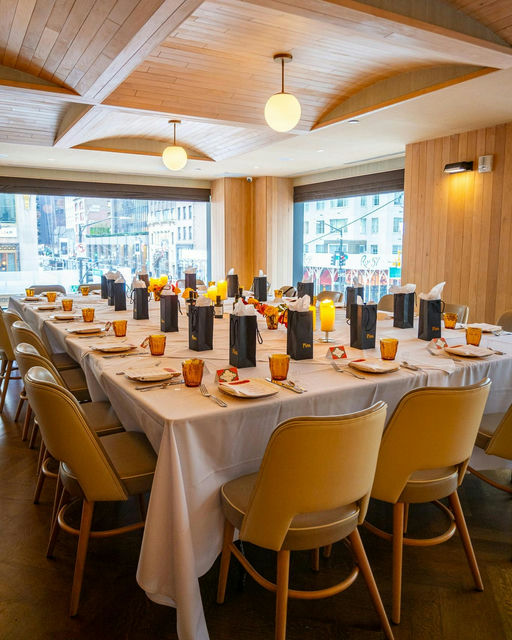
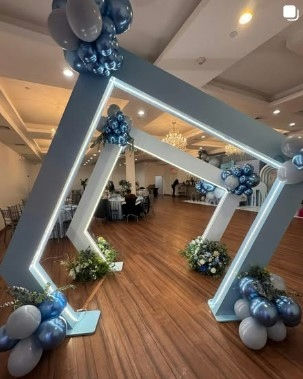
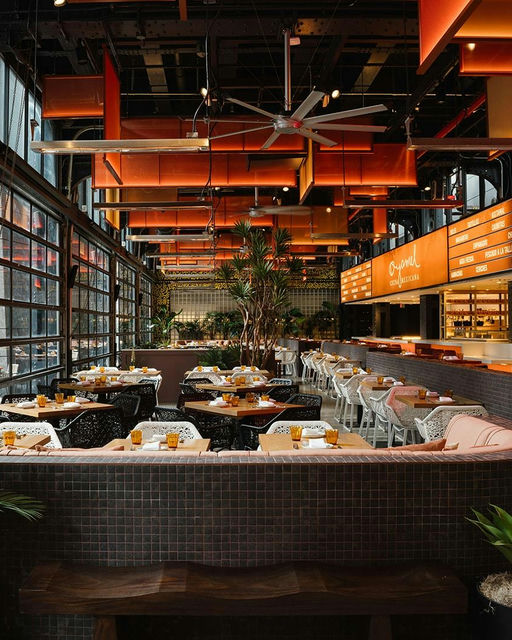
Interior. Does the interior of the space fit the mold of your concept, or are you going to build, or rebuild to get your specs? Some places are almost turnkey, you rent it, and the bones are in place, so it's just finishing the finishes, updates on some HVACs, sound system or plumbing, and you're good to go. Other places you inherit a monstrosity born in a rich man's opium dream, that failed miserably in reality. Not only does everything have to go (and demo is kinda fun I admit!) but then you have to redraw the entire space, and there are many, many pitfalls to buildout, each plumbing alteration, electrical adjustment, additional wall, and seating chart having to be approved and inspected by the city, causing delays and often siphoning money before the opening. If you find a space where the floorplan generally fits your concept, it's a GO. Put your money on finishes that wow the customers rather than fixing 80 year old plumbing and grease traps.
Storage and bathrooms. Vastly underrated is the storage space needed to operate, so if you plan to have a big menu, plan to have big storage. For example, the Sushi Nozawa group operates two completely different concepts, Kazanori and Hiho Cheeseburger, but keeps them adjacent to each other so they can combine utilities, bathrooms and storage space. More bang for your (rent) buck, and combining those facilities allows for more seats in each location. Think about how far the servers have to travel to pull products out of storage, and have speedy service moving goods and foods around. Storage needs to be accessible, large enough for the needs of the operation, and organized in a manner that works with the objects being stored, in other words lots of storage for sundries by the kitchen, or alcohol by the bar. If all your storage is in one place, and your bar backs are constantly running through your kitchen to grab bottles to bring to the bar, that's a recipe for bar slowdowns and kitchen overcrowding.
Office. Is there an office to do your admin work? Many places have an area to actually operate the business, but many, frequently don't, and operators are forced to work at the space daytime, or even find a crevice to stuff paperwork into that often gets lost and later impedes basic operational processes. Landlords often have solutions for that, and the office can be in the same building as a venue, but does not have to be adjoining the space. Make sure to ask if there is some space available to sit and do your actual office work and not in the same space as you serve customers.
Gut Feeling. Finally, the ineffable: do you like being there? You'll most likely have to spend lots of time at this venue, does it feel right? Sometimes you enter a place and it feels like a pleasant breeze just whisked you away to paradise, and then other places, claustrophobia. How does being in this place make YOU feel? Chances are others will feel this way too, and if it feels good, stay, and if not, stay away!